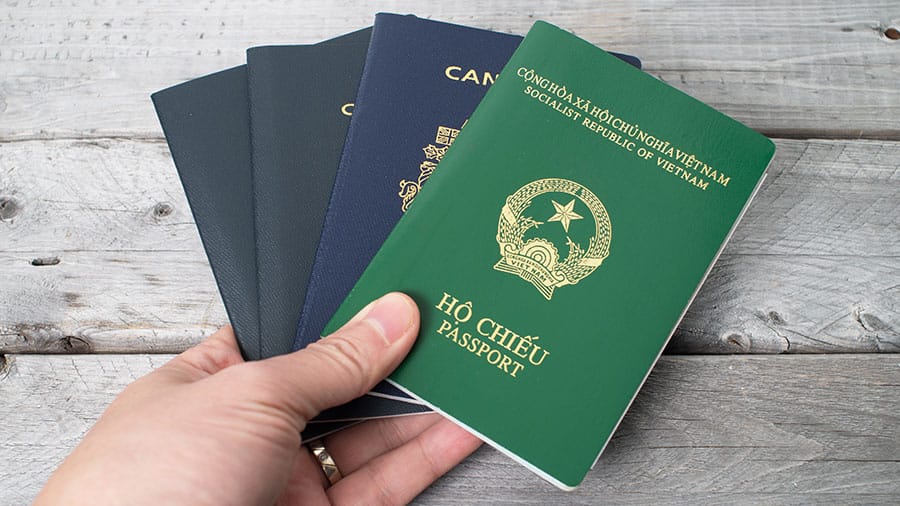
Vietnam may allow dual citizenship under amended law
Vietnam’s Proposed Dual Citizenship Law: A Gateway for Citizenship by Investment
Vietnam’s National Assembly is considering amendments to its 2008 Law on Citizenship, potentially allowing dual citizenship for the first time. This move aims to strengthen ties with the Vietnamese diaspora and attract foreign talent and investment. The revised law could position Vietnam as a competitive player in the global citizenship by investment market, joining countries like Malta and Caribbean nations that offer similar programs. By easing restrictions, Vietnam hopes to boost economic growth through increased foreign direct investment (FDI) and expertise from overseas professionals. However, the law may exclude individuals in sensitive government or military roles to safeguard national security.
- Dual citizenship expansion: Opens pathways for overseas Vietnamese and foreign investors.
- Economic incentives: Aligns with strategies to attract high-net-worth individuals via citizenship by investment.
- Security exemptions: Restrictions for roles in politics, military, or state security.
How Dual Citizenship Could Revolutionize Vietnam’s Economy
Introducing dual citizenship could transform Vietnam’s economy by incentivizing wealthy foreigners and diaspora members to invest in critical sectors. A structured citizenship by investment program might require applicants to contribute to real estate, infrastructure, or technology projects. This aligns with Vietnam’s goals of becoming a high-income economy by 2045. For instance, foreign capital could modernize transportation networks or fund renewable energy initiatives, creating jobs and stimulating local industries. Additionally, dual citizens may act as cultural bridges, fostering international trade partnerships and tourism growth.
- Targeted investments:
- Real estate development in urban centers like Hanoi and Ho Chi Minh City.
- Funding for tech startups in burgeoning innovation hubs.
- Economic diversification: Reducing reliance on manufacturing by attracting knowledge-based industries.
Current Citizenship Restrictions and the Path Forward
Vietnam’s existing citizenship law mandates that naturalized citizens renounce foreign passports, deterring many from pursuing permanent ties. The proposed reforms address this by permitting dual nationality, except for those in influential government positions. This shift reflects a broader trend of nations leveraging citizenship by investment to drive economic recovery post-pandemic. For Vietnam, the challenge lies in balancing openness with security. Stricter due diligence processes will likely be implemented to prevent misuse, ensuring applicants contribute meaningfully to national development.
- Key changes:
- Removal of renunciation requirements for most dual citizens.
- Enhanced vetting for applicants linked to strategic sectors.
- Global context: Learning from countries like Portugal and Greece, which tie residency and citizenship to property investment.
Citizenship by Investment: Opportunities for Foreign Nationals
A potential citizenship by investment program in Vietnam could offer fast-tracked naturalization for individuals investing a minimum threshold in the economy. Similar programs globally require investments ranging from $100,000 to $2 million, often in real estate, government bonds, or business ventures. Vietnam might adopt a tiered system, granting citizenship based on investment size and sectoral impact. Benefits for participants could include visa-free travel to ASEAN countries, tax incentives, and access to Vietnam’s rapidly growing consumer market.
- Potential requirements:
- Minimum investment of $500,000 in approved projects.
- Job creation mandates for business-focused applicants.
- Strategic advantages:
- Visa-free access to 50+ countries, including ASEAN members.
- Tax exemptions for offshore income.
Balancing Economic Growth and National Security
While dual citizenship reforms promise economic benefits, they also raise concerns about national security and sovereignty. Vietnam’s government has emphasized that exemptions will apply to individuals in sensitive roles, such as military officers or high-ranking officials. Additionally, a robust citizenship by investment framework would require thorough background checks to prevent money laundering or illicit activities. Transparent monitoring mechanisms, such as annual audits of funded projects, could ensure compliance and build public trust in the program.
- Security measures:
- Mandatory disclosure of global assets and income sources.
- Restrictions on land ownership near border areas.
- Compliance frameworks: Collaboration with international agencies to track financial flows.
Preparing for a Surge in Foreign Interest
If Vietnam’s dual citizenship law passes, the country must prepare infrastructure to handle an influx of applications. This includes establishing dedicated agencies to process citizenship by investment requests, streamline bureaucratic procedures, and provide multilingual support. Public awareness campaigns targeting overseas Vietnamese communities could clarify eligibility criteria, while partnerships with global legal firms might facilitate smoother onboarding for foreign investors. Proactive planning will be critical to avoid delays that could deter potential applicants.
- Operational steps:
- Launching a centralized online portal for application submissions.
- Training immigration officers on international due diligence standards.
- Outreach strategies: Hosting investment summits in key markets like the U.S., Europe, and East Asia.
Conclusion
Vietnam’s potential adoption of dual citizenship marks a pivotal shift in its approach to global engagement and economic development. By integrating a citizenship by investment program, the country can attract foreign capital, stimulate innovation, and strengthen its position in Southeast Asia. However, success hinges on meticulous implementation—balancing openness with stringent security protocols and ensuring transparency at every stage. For investors, this represents a rare opportunity to gain access to one of the region’s fastest-growing economies. For Vietnam, it’s a strategic step toward achieving long-term prosperity while preserving national interests. As the National Assembly debates the amendments, stakeholders worldwide will be watching closely, anticipating a new era of opportunity.