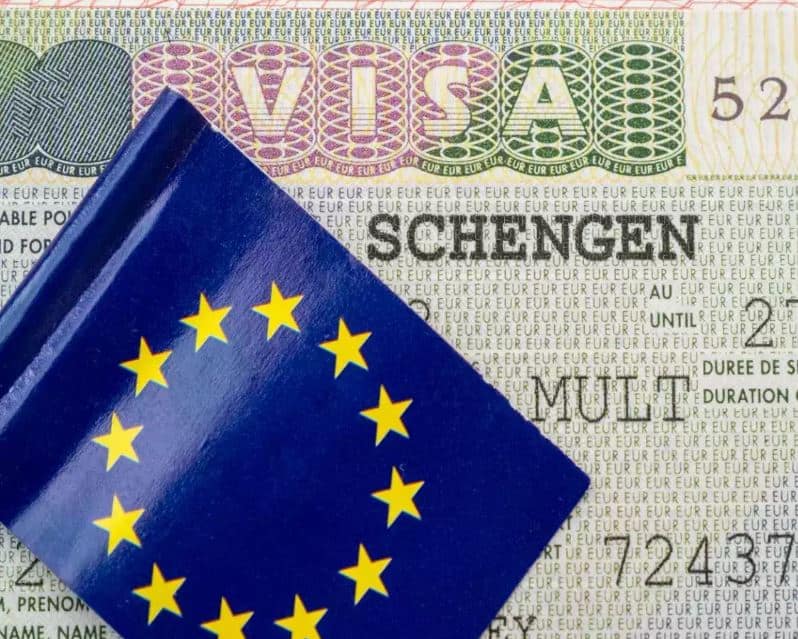
Tightened Border Measures in the Schengen Zone and the Impact on Real Estate Investment
Overview of the Situation
Countries within the Schengen Zone, including France, Germany, Italy, Spain, Austria, and Denmark, have recently introduced stricter border control measures. These policies, aimed at addressing security concerns, migration management, and public health, are expected to influence multiple sectors, including travel, tourism, and real estate investment.
For investors focused on real estate investment within the Schengen Zone, these border changes could shape decisions, market trends, and economic dynamics across Europe.
Real Estate Investment Amid New Border Measures:
Stricter border controls may seem unrelated to real estate investment, but the policies can have far-reaching consequences. The Schengen Zone, known for its open-border agreements, has historically facilitated the free movement of people, fostering economic growth and creating opportunities in real estate markets. Cities such as Paris, Berlin, and Barcelona have benefited from this openness, attracting international investors to both residential and commercial properties.
However, as countries tighten border measures, potential investors may face increased challenges, including travel restrictions, longer processing times, and added bureaucracy. For non-EU investors, these changes could complicate their efforts to visit properties, finalize transactions, or establish residency through real estate investment programs.
Country-Specific Border Measures and Their Implications:
France and Germany:
France and Germany, key players in the Schengen Zone, have introduced border checks to address concerns over security and irregular migration. These measures may reduce short-term mobility, potentially delaying real estate investment processes. However, long-term investors in major cities like Paris or Munich may still find opportunities due to the stable property markets in these countries.
Italy and Spain:
Italy and Spain, two of the most popular destinations for real estate investment, have also tightened their border policies. Spain, in particular, has seen increased scrutiny of its Golden Visa program, which allows foreign investors to gain residency through real estate investment. This tightening could signal broader changes in the way these countries attract international buyers.
For those considering real estate investment in Italy’s picturesque countryside or Spain’s coastal cities, the stricter measures may lead to more thorough due diligence, longer timelines, and a shift in focus to domestic buyers.
Austria and Denmark:
Austria and Denmark have implemented stricter border controls for public health and security reasons. For real estate investors, this could impact the attractiveness of properties in these regions, particularly for those who rely on cross-border mobility for business or personal reasons. However, the stability of these markets may still appeal to long-term investors looking for safe and predictable returns.
Opportunities Despite Challenges:
While tightened border measures may initially seem like a barrier, they also create new opportunities. Real estate investment in the Schengen Zone remains a lucrative option due to its economic stability and high demand for properties. For example, investors may shift their focus from short-term rental markets, which rely heavily on tourism, to long-term residential or commercial properties that cater to local demand.
Additionally, countries with flexible investment programs, such as Portugal or Greece, may become more attractive to investors seeking easier access to the Schengen Zone. Despite the challenges posed by border policies, the demand for European properties, especially in prime locations, is unlikely to wane.
Preparing for the Future of Real Estate Investment:
Investors looking to navigate the evolving landscape of real estate investment in the Schengen Zone should adopt a proactive approach. Key strategies include:
- Stay Informed: Regularly monitor changes to border policies and investment regulations in target countries.
- Leverage Local Expertise: Partner with local real estate agents and legal experts who understand the latest developments.
- Diversify Investments: Explore markets in emerging European cities or less-impacted regions.
- Focus on Long-Term Value: Prioritize investments in areas with strong local demand and economic growth.
Conclusion:
The tightening of border measures across the Schengen Zone highlights the interconnectedness of policies, travel, and real estate investment. While these changes may pose challenges, they also present opportunities for strategic investors willing to adapt to the evolving landscape. By understanding the impact of these policies and adjusting their strategies, investors can continue to capitalize on the strong potential of European real estate markets.
Looking to expand your investment portfolio and secure residency? explore a range of citizenship programs tailored to international investors. Whether you’re interested in European residency or other global options, Prime Properties offers expert guidance every step of the way. Learn more about our citizenship programs here and discover how investing can open doors to new opportunities for you and your family.