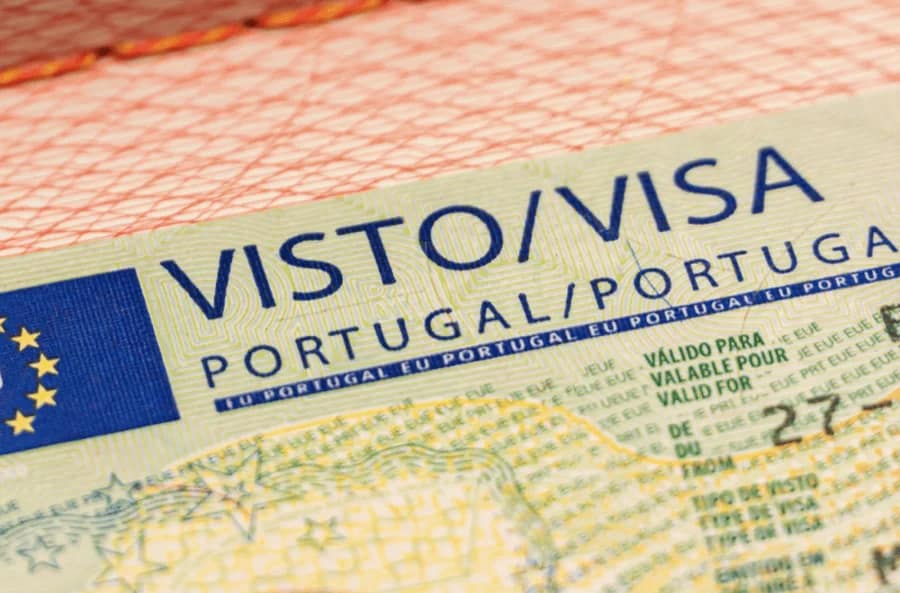
The EU’s New Visa-Free Suspension Mechanism Targets Citizenship by Investment Programs
The European Union is finalizing a regulatory framework to suspend visa-free access for countries operating citizenship by investment (CBI) programs. Designed to address security risks and irregular migration concerns, this mechanism directly impacts nations offering golden passports to foreign investors. The EU’s move reflects growing unease over the potential misuse of these programs, which grant visa-free Schengen access to individuals without rigorous vetting. By linking visa privileges to stricter compliance standards, the bloc aims to pressure CBI countries to enhance due diligence or risk losing their coveted visa-free status.
The Evolution of EU Visa-Free Access and Citizenship by Investment
Visa-free travel to the Schengen Zone has long been a cornerstone of the EU’s global partnerships. However, the rise of citizenship by investment programs in countries like Malta, Cyprus, and Caribbean nations has complicated this dynamic. These programs, which grant passports in exchange for financial contributions, have faced criticism for enabling wealthy individuals to bypass traditional immigration channels. Over time, the EU has tightened oversight, proposing measures to ensure CBI recipients do not undermine border security or facilitate illicit financial flows. The new suspension mechanism represents the latest step in this ongoing regulatory evolution.
- Key milestones in EU-CBI relations:
- 2018: EU warnings to Malta and Cyprus over lax due diligence.
- 2020: Cyprus suspends its CBI program following corruption allegations.
- 2022: EU initiates framework for visa suspension tied to CBI risks.
How Citizenship by Investment Impacts EU Security and Migration
The EU’s concerns stem from documented cases of CBI passports being exploited for money laundering, tax evasion, and unauthorized residency. A 2022 report revealed that over 100,000 individuals acquired citizenship through investment schemes globally, with many gaining Schengen access. Weak vetting in some jurisdictions has allowed high-risk individuals to enter the EU unchecked. Additionally, visa-free travel privileges linked to golden passports create loopholes for organized crime and unauthorized immigration. The suspension mechanism aims to close these gaps by compelling CBI countries to adopt EU-aligned security protocols or face restrictions.
- Identified risks of CBI programs:
- Insufficient background checks on applicants.
- Lack of transparency in fund sourcing.
- Potential for passport holders to overstay visas.
EU’s New Suspension Mechanism: How It Works
The proposed mechanism empowers the European Commission to temporarily revoke visa-free access for countries operating citizenship by investment programs deemed non-compliant. A majority vote by member states would trigger a nine-month suspension, extendable to 18 months if deficiencies persist. Criteria for suspension include inadequate background checks, failure to share applicant data, or evidence of systematic abuse. Affected nations must implement reforms, such as mandatory interviews, third-party audits, and stricter investment thresholds, to restore visa privileges. This approach leverages the EU’s economic leverage to enforce global security standards.
- Steps in the suspension process:
- Risk assessment by EU agencies.
- Formal notice to non-compliant countries.
- Voting by EU Council members.
- Implementation of corrective measures.
Citizenship by Investment Programs Face Stricter EU Requirements
To retain visa-free access, CBI countries must align with enhanced EU demands. These include real-time reporting of approved applicants, stricter due diligence frameworks, and cooperation with Europol and Frontex. The EU also seeks to eliminate “passport lotteries” by mandating physical residency requirements and tangible economic contributions. For example, Saint Kitts and Nevis recently doubled its CBI investment threshold to $250,000 under EU pressure. Such measures aim to distinguish legitimate investors from opportunistic applicants while preserving the economic benefits of citizenship by investment programs for host nations.
- EU-mandated reforms for CBI programs:
- Enhanced anti-money laundering (AML) checks.
- Mandatory interviews for applicants.
- Transparent public reporting of funds.
The Global Impact of EU’s Crackdown on Citizenship by Investment
The EU’s stance is reshaping the global CBI industry, valued at $25 billion annually. Caribbean nations, which derive up to 30% of GDP from these programs, now face pressure to overhaul operations. Meanwhile, the UK and US are considering similar visa restrictions, potentially creating a domino effect. However, critics argue that blanket suspensions could harm legitimate investors and destabilize small economies reliant on CBI revenue. The EU counters that its tiered approach—suspending visas rather than banning programs—encourages compliance without eliminating a vital income stream for partner nations.
- Potential outcomes for CBI countries:
- Revenue losses from reduced program applications.
- Increased operational costs due to EU compliance.
- Shift toward residency-by-investment models.
Conclusion
The EU’s visa-free suspension mechanism marks a pivotal moment for citizenship by investment programs worldwide. By tying Schengen access to rigorous compliance standards, the bloc seeks to mitigate security risks while preserving diplomatic relations with CBI countries. However, this approach also raises challenges, particularly for smaller nations reliant on foreign investment revenue. As regulations tighten, the CBI industry must adapt through enhanced due diligence, transparency, and collaboration with international agencies. The coming years will test whether these programs can evolve into sustainable, secure pathways for economic growth or face gradual obsolescence under global scrutiny. The balance between security and economic interests remains critical in shaping the future of investment migration.