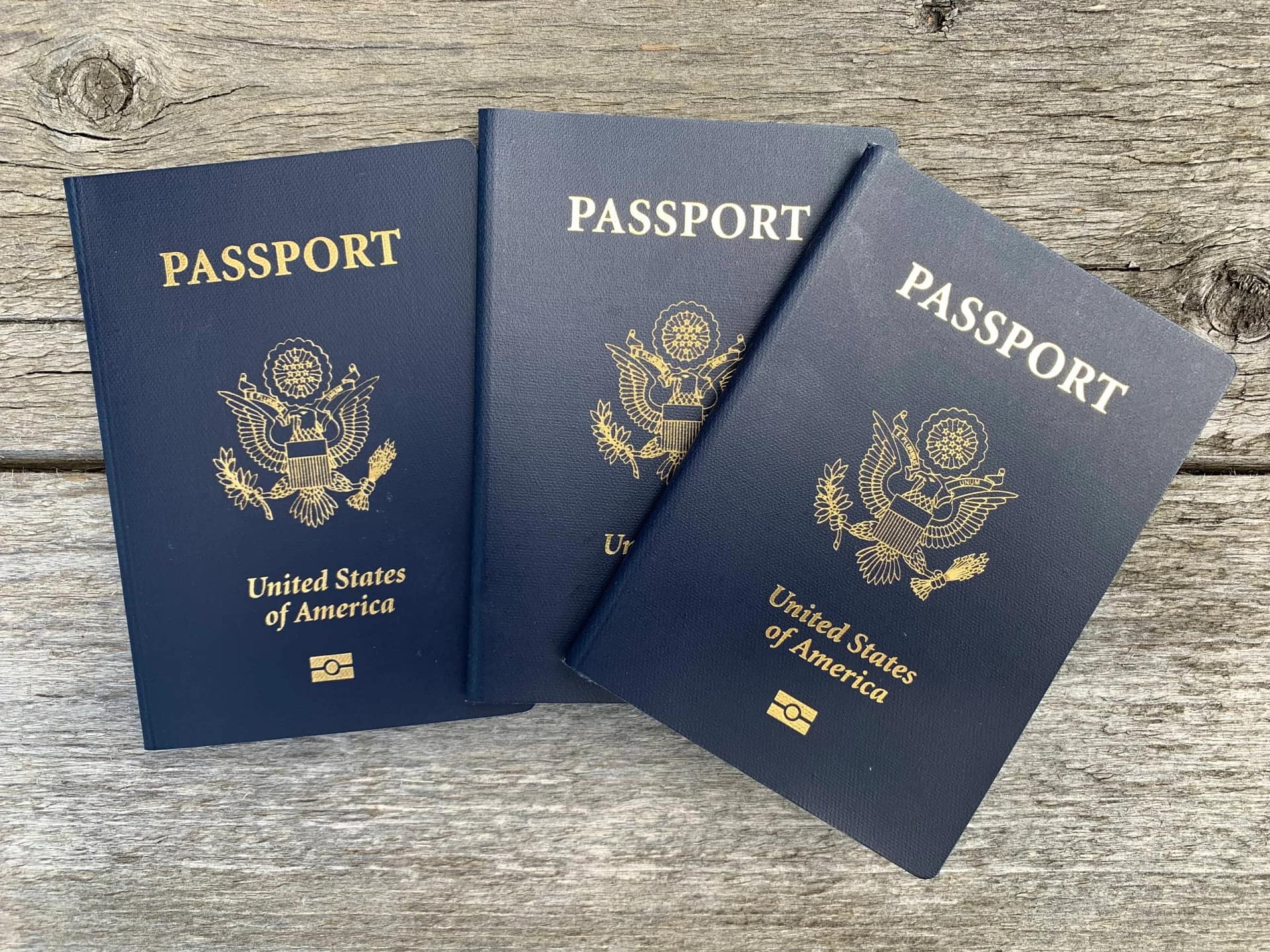
13 Ways Your Passport Could Ruin Your Life
Understanding Citizenship by Investment
Citizenship by Investment (CBI) programs offer a legal pathway to obtain a second passport by making a financial contribution to a country’s economy. These programs are designed to attract foreign capital while providing individuals with enhanced global mobility, tax optimization, and security. Over 15 countries, including St. Kitts and Nevis, Malta, and Dominica, have established CBI programs that grant citizenship in exchange for real estate investments, donations, or business ventures. For high-net-worth individuals, this process bypasses traditional residency requirements, offering a faster route to dual citizenship. However, the benefits and risks of these programs require careful evaluation to avoid pitfalls that could impact personal and financial stability.
- Key features of CBI programs:
- Fast-track citizenship in 3–6 months
- No mandatory physical residency
- Visa-free access to 100+ countries
How Citizenship by Investment Mitigates Passport Limitations
A weak passport can severely restrict travel, business opportunities, and access to global services. Citizenship by Investment directly addresses these challenges by granting visa-free access to strategic destinations like the EU, UK, and Singapore. For example, a Maltese passport offers entry to 186 countries without visas, while a St. Lucian citizenship opens doors across the Caribbean and Europe. Beyond travel, a second passport can shield against political instability, offering a safe haven during crises. Additionally, it enables tax-efficient wealth management, as many CBI jurisdictions impose no income, inheritance, or capital gains taxes on non-resident citizens.
- Benefits of a second passport:
- Enhanced global mobility: Bypass lengthy visa processes
- Tax optimization: Leverage favorable tax regimes
- Asset protection: Diversify holdings across jurisdictions
Risks and Challenges of Citizenship by Investment
While CBI programs offer significant advantages, they are not without risks. Poorly vetted programs may expose applicants to fraud, reputational damage, or even revocation of citizenship. Some countries, like the EU, have criticized CBI schemes for enabling money laundering, leading to stricter regulations. Additionally, changes in a host country’s policies—such as increased investment thresholds or sudden program closures—can disrupt long-term plans. Applicants must also consider the ethical implications of “passport shopping,” as scrutiny from home countries could lead to audits or restrictions on dual citizenship.
- Common risks include:
- Due diligence failures: Inadequate background checks
- Geopolitical instability: Unpredictable policy shifts
- Reputational harm: Association with tax evasion or corruption
Choosing the Right Citizenship by Investment Program
Selecting a reputable CBI program requires thorough research and expert guidance. Prioritize countries with transparent processes, robust due diligence, and a history of stability. For instance, Malta’s CBI program mandates a 36-month residency period and rigorous background checks, ensuring compliance with EU standards. Conversely, Caribbean programs like Antigua and Barbuda offer faster processing but may lack the same level of international prestige. Evaluate investment options: donations are non-refundable, while real estate purchases can generate rental income or appreciate over time. Legal advisors specializing in immigration law can help navigate complexities and avoid costly mistakes.
- Factors to consider:
- Program reputation: Check OECD and EU approval status
- Investment type: Compare donations vs. real estate ROI
- Processing timeline: Align with personal or business goals
The Impact of Citizenship by Investment on Family and Lifestyle
CBI programs often extend benefits to families, allowing applicants to include spouses, children, and even parents in their citizenship applications. This creates opportunities for children to access premium education systems in Europe or North America and provides retirees with peaceful residency options. For entrepreneurs, a second passport simplifies cross-border business operations and banking. However, families must assess cultural adaptation challenges, such as language barriers or differences in healthcare systems. Additionally, maintaining dual citizenship may require ongoing financial commitments, like property taxes or mandatory visits to retain citizenship status.
- Family-related advantages:
- Education access: Enroll in top-tier schools and universities
- Healthcare benefits: Utilize advanced medical facilities
- Legacy planning: Secure multigenerational citizenship
Citizenship by Investment and Global Financial Strategy
A second passport is a cornerstone of international wealth management, enabling investors to optimize taxes, diversify assets, and reduce exposure to volatile economies. For instance, Cypriot citizenship (now discontinued) allowed access to the EU’s banking network, while Grenada’s CBI program offers an E-2 visa treaty with the U.S. High-net-worth individuals often use CBI to establish offshore trusts, hedge against currency fluctuations, or relocate businesses. However, compliance with global tax laws, such as FATCA and CRS, is critical to avoid penalties. Partnering with financial planners ensures alignment with both personal and regulatory requirements